Foundational Philosophy
Food as a Way of Being
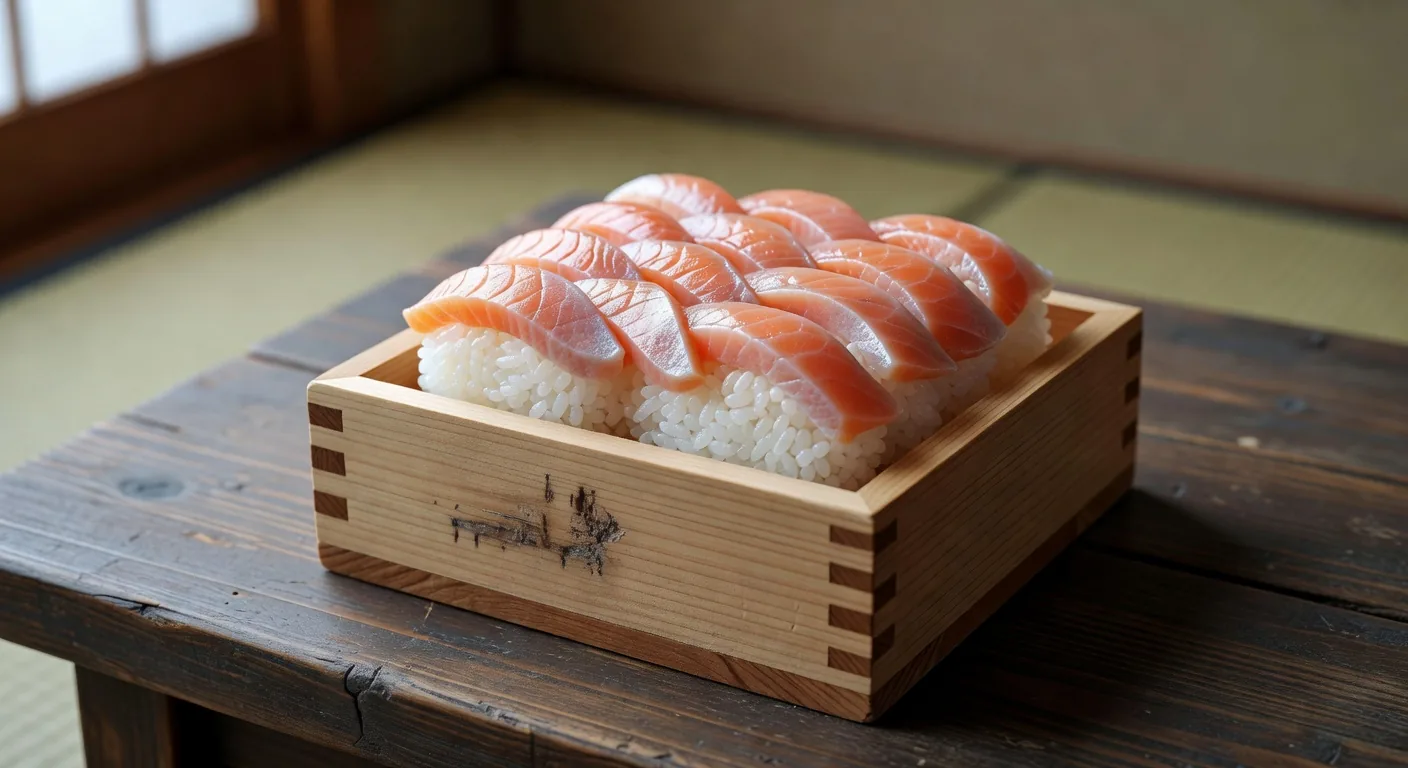
Japanese cuisine is grounded in a set of principles that go far beyond technique. The concept of shoku-iku (food education) encompasses not just knowing what to eat, but understanding where food comes from, how it is grown, prepared, and shared. Food in Japan is never merely fuel — it is a cultural practice, a form of art, and an expression of respect.
The word itadakimasu — spoken before every meal — translates roughly as "I humbly receive," acknowledging the lives taken (plant and animal) and the labor given to bring food to the table. This moment of gratitude, however brief, sets the tone for Japanese dining: mindful, appreciative, and present.
Similarly, mottainai — the concept of not wasting anything of value — permeates Japanese food culture. From the careful use of every part of an ingredient to the precision portion sizes that minimize waste, Japanese cooks have long practiced sustainability as a cultural value, not merely an environmental one.
Core Concepts
Essential Japanese Food Concepts
These concepts underpin Japanese food culture — understanding them transforms your experience of eating in Japan.
Shun
Seasonality
The peak moment when an ingredient is at its absolute best — its fullest flavor, greatest nutrition, and lowest cost. Japanese cooking is organized around shun, not around convenience. Eating out of season is considered deeply wrong by traditionalists.
Dashi
Stock / The Foundation
Japan's essential cooking stock — made from dried kombu seaweed and katsuobushi (dried bonito) — is the invisible foundation of Japanese cuisine. Mastering dashi is considered the most important skill in Japanese cooking. Its umami depth supports everything from miso soup to kaiseki.
Ma
Negative Space / Balance
The concept of negative space — what is absent — is as important in Japanese cuisine as what is present. A beautifully plated dish will have considered spaces; a bowl of broth should have room to breathe. Ma teaches restraint as a form of sophistication.
Chisan-Chisho
Local Production, Local Consumption
Eating produce grown in the same region — ideally the same prefecture — is a deep cultural value in Japan. Chisan-chisho not only ensures freshness and flavor, but connects diners to the land and community that produced their food.
Ichiju-Sansai
One Soup, Three Dishes
The traditional Japanese meal structure: one main dish, two side dishes, and a soup, served alongside rice. This structure ensures nutritional variety and balance, and applies whether you're eating at a kaiseki restaurant or preparing a simple home meal.
Hakkou
Fermentation
Japan's fermentation culture is among the world's most sophisticated — miso, soy sauce, sake, mirin, rice vinegar, natto, tsukemono, and katsuobushi are all fermented products that define Japanese flavor. Regional variations in fermentation create distinct local tastes across every prefecture.
Shun — Seasonal Eating
The Seasonal Calendar of Japanese Food
Every season in Japan brings a transformation of the table — ingredients, preparations, and even the vessels used to serve food change with the seasons.
Spring
March — May
- Bamboo shoots (takenoko)
- Cherry blossom (sakura) sweets
- Young butterbur (fukinoto)
- Fresh sea bream (sakura-dai)
- Wild mountain vegetables (sansai)
Summer
June — August
- Eel (unagi) on Doyo no Ushi
- Cold somen noodles
- Corn, eggplant, tomato
- Sea urchin (uni) peak season
- Firefly squid (hotaru-ika)
Autumn
September — November
- Pacific saury (sanma)
- Matsutake mushroom
- New rice (shinmai)
- Sweet potato and chestnut
- Salmon runs (Hokkaido)
Winter
December — February
- Snow crab (matsuba gani)
- Hot pot (nabe) season
- Yellowtail (buri)
- Oysters (Hiroshima, Ise)
- Root vegetables and daikon
Dining Customs
Essential Dining Etiquette
Understanding Japan's dining customs transforms eating here from a passive experience into a meaningful cultural exchange.
Itadakimasu & Gochisousama
Always say itadakimasu (I humbly receive) before eating and gochisousama deshita (thank you for the feast) after. These are mandatory expressions of gratitude, not optional politeness.
Chopstick Rules
Never stick chopsticks upright in rice (associated with funeral offerings), never pass food directly chopstick-to-chopstick, and never point with chopsticks. Rest them on the hashioki (chopstick rest) when not in use.
Pouring for Others
In group settings, pour drinks for others before yourself. Hold your glass with both hands when receiving a pour, and reciprocate. Refusing the first pour is impolite; you can always leave a full glass untouched.
Slurping Noodles
Slurping noodles and hot broth is acceptable and even encouraged — it cools the noodles and signals appreciation to the cook. Silence while eating ramen is unusual; noise of eating is a sign of enjoyment.
Oshibori
The hot (or cold in summer) wet towel (oshibori) presented before a meal is for cleaning your hands only. Never use it to wipe your face in formal settings. Fold it neatly and place it aside when done.
Where to Eat
Types of Japanese Dining
Japan's restaurant culture is extraordinarily varied — each type of establishment has its own rituals, expectations, and magic.
Kaiseki Restaurant
The pinnacle of Japanese dining — a multi-course meal in which each dish is a seasonal, artistic expression. Advance booking essential; dress elegantly; trust the chef's judgment completely.
Izakaya
Japan's informal pub — the social heart of Japanese dining. Order many small dishes to share, drink beer or sake, and stay as long as you like. No formality, but many unwritten social rules to observe.
Ramen Shop
Often a one-counter, one-chef affair. Choose your order from a vending machine (券売機), hand the ticket to the chef, and focus entirely on the bowl in front of you. No lingering — eat and go.
Yatai (Food Stall)
Fukuoka's outdoor food stalls — and festival stands across Japan — are among the most atmospheric dining experiences. Stand or perch on a stool, eat in the open air, and share the bench with strangers.